TENKO
extend
existing investments
Solving capability gaps between what is already owned and what can be rapidly deployed.
Using sovereign agentic AI, Tenko upgrades existing platforms, redirects available capacity and develops new systems only where necessary — creating more capability across government, infrastructure and industry without the cost and delay of replacement at scale.
It combines two connected systems:
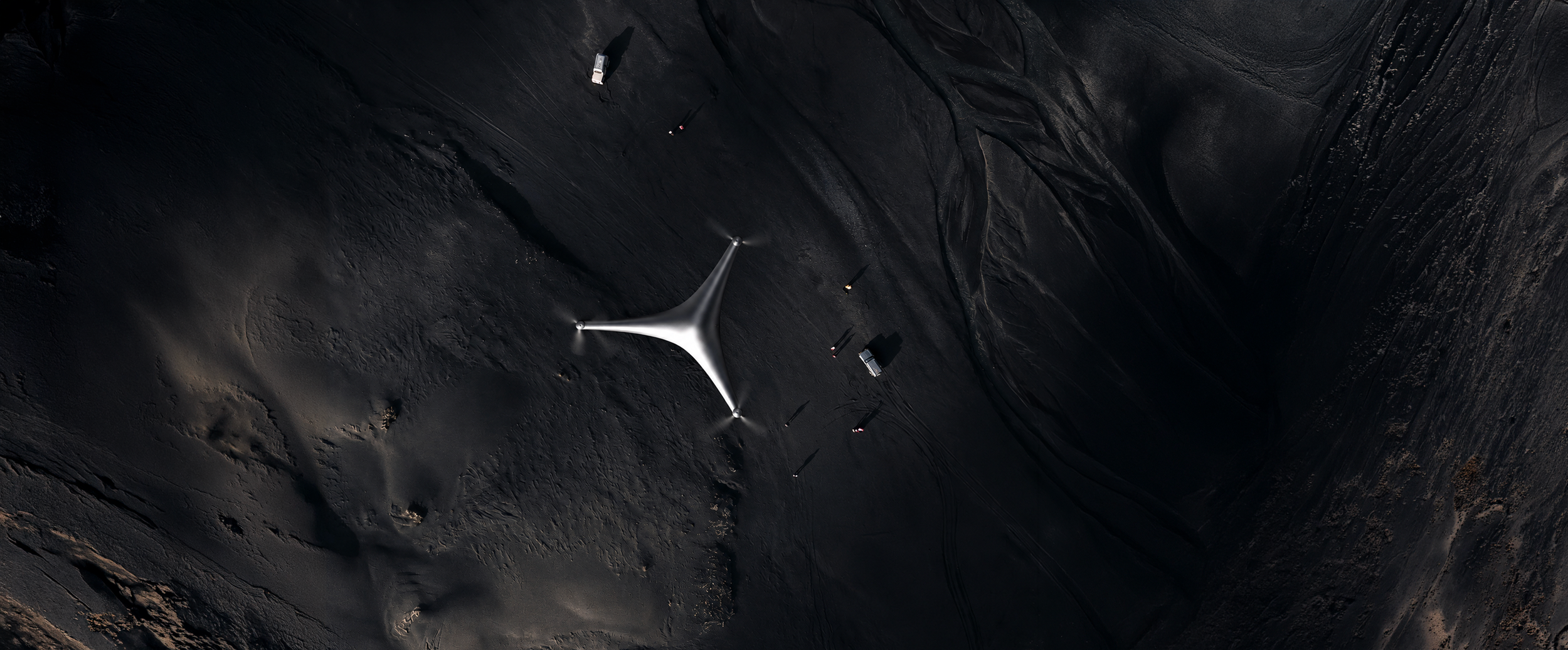
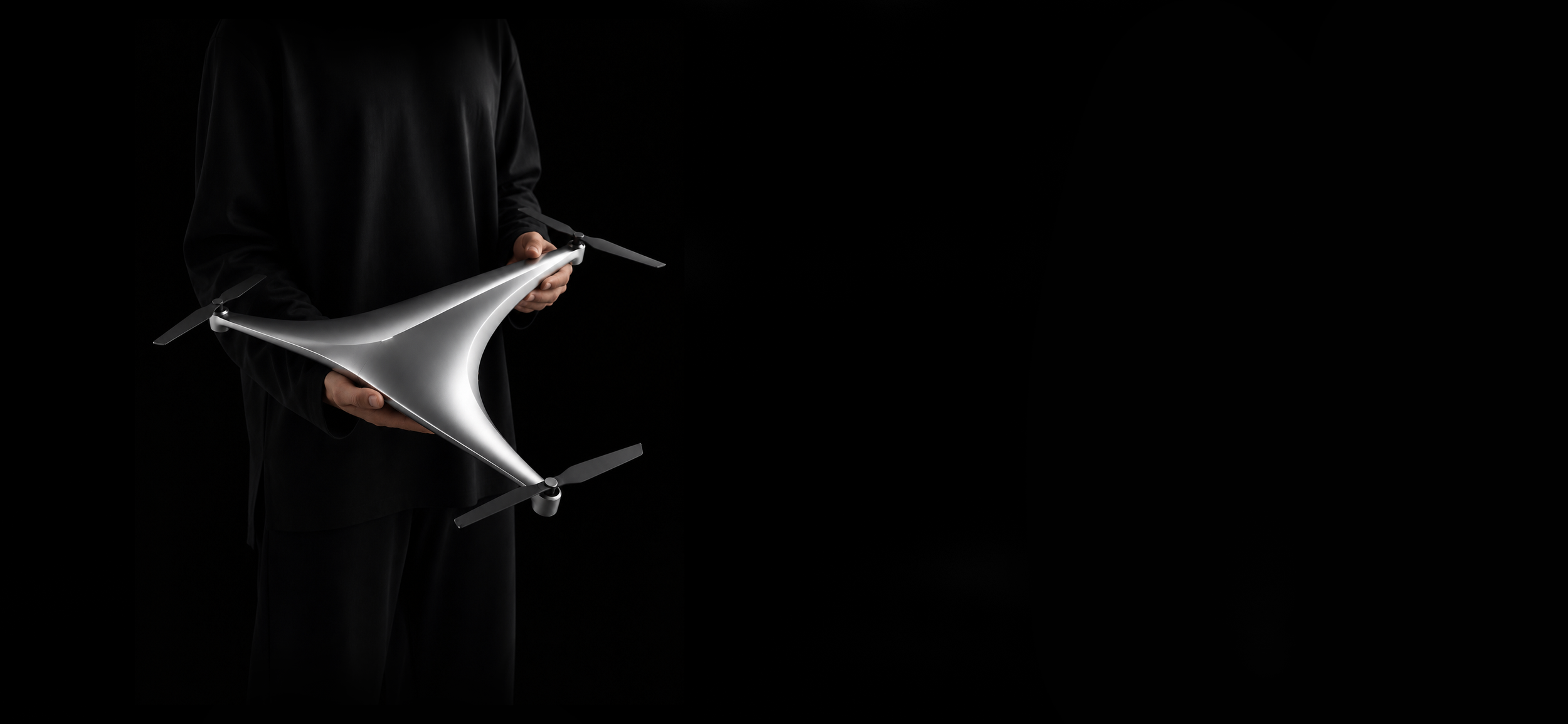
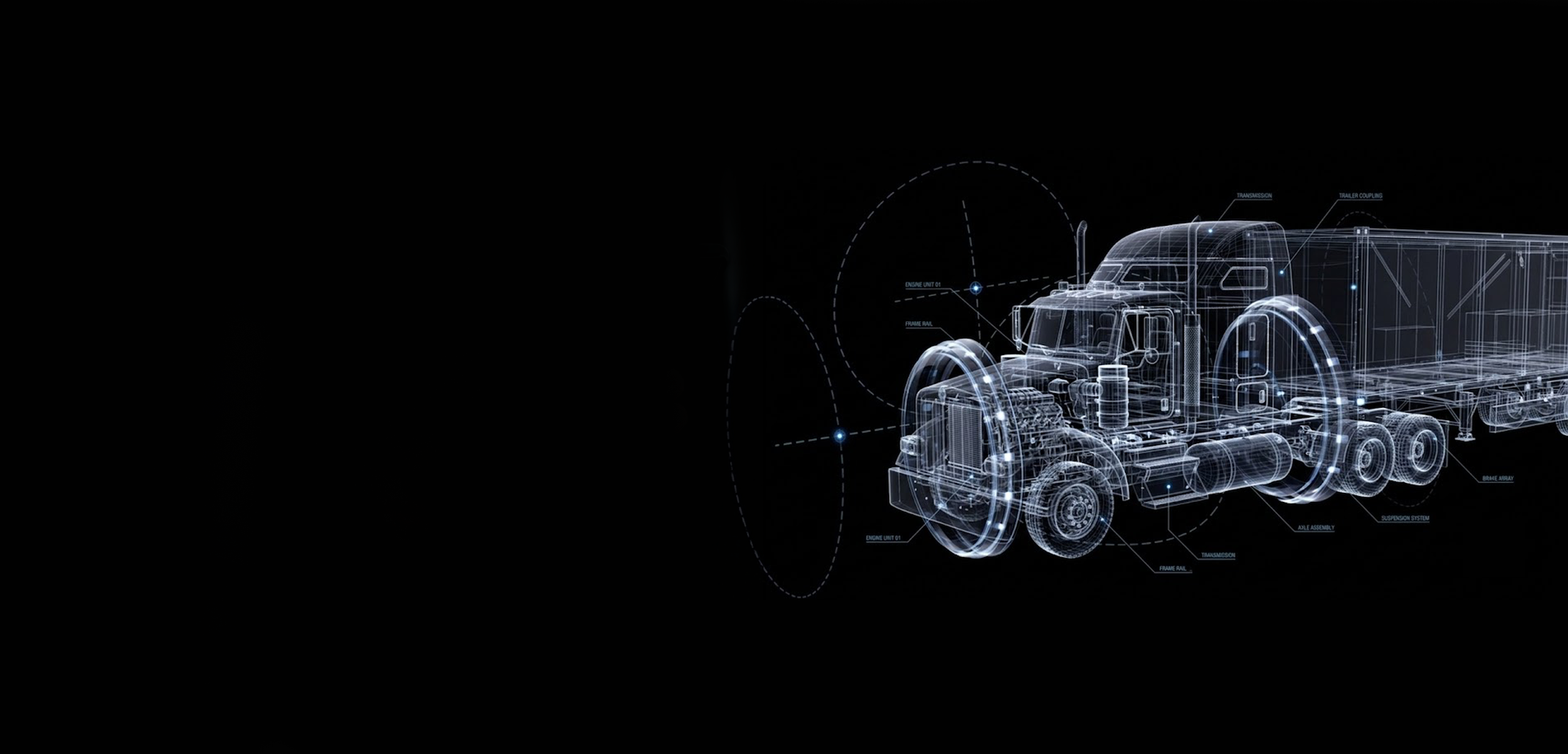
Nekomata upgrades suitable existing platforms with sensing, intelligence, remote-operation and supervised-autonomy capabilities.
Kitsune identifies capability gaps and determines if they should be solved by reusing existing assets, refining operations, redirecting resources or developing something new.
Together, they provide a faster and more economical alternative to relying on wholesale platform replacement.
global
needs
Saving billions through smart optimisations.
Australia and its partners cannot compete with larger strategic powers through platform numbers alone.
Strategic competitors can produce substantial quantities of lower-cost systems and deliberately integrate civilian infrastructure, industrial production and commercial logistics into national preparedness. We already possess significant capability across:
Defence and government fleets.
Freight, trucking and warehousing.
Ports, shipping and aviation.
Medical and emergency systems.
Energy, water and telecommunications.
Mining, agriculture and manufacturing.
Critical infrastructure.
Existing software and operational systems.
Much of this equipment remains valuable but is manually operated, digitally fragmented or limited to its original role. Replacing it all would be prohibitively expensive and take decades.
Tenko provides a practical alternative: improve suitable assets already available, coordinate them more effectively and develop new capability only where a genuine gap remains.
one platform
two systems
NEKOMATA
Nekomata applies AI conversion to integrate Lupotek hardware, secure edge computing and AI systems with suitable existing platforms.
-
Nekomata can be applied to suitable:
Trucks and fleet vehicles.
Ferries, workboats and commercial vessels.
Aircraft and aviation support platforms.
Warehousing and materials-handling equipment.
Mining, agricultural and construction machinery.
Utility inspection and maintenance equipment.
Medical and emergency-service vehicles.
Government and Defence fleets.
Industrial equipment.
Legacy software and operational systems.
-
Depending on the asset and operating environment, Nekomata can introduce:
Equipment-health monitoring.
Predictive maintenance.
Sensors and situational awareness.
Secure communications.
AI-assisted operator decisions.
Navigation and task support.
Remote monitoring and operation.
Coordination between multiple assets.
Supervised autonomous functions.
Integration with existing fleet and operational systems.
-
Nekomata applies the level of intelligence appropriate to each platform:
OBSERVE
Monitor the condition, location, environment and activity of the asset.
ADVISE
Provide recommendations to an authorised operator.
ASSIST
Perform defined functions while the operator retains control and responsibility.
OPERATE
Perform approved remote or supervised-autonomous functions within a defined operating environment.
Not every platform should become autonomous. Each application is assessed against its technical condition, remaining life, commercial value, operating environment and applicable safety and regulatory requirements.
The objective is straightforward: add useful capability without replacing a viable platform unnecessarily.
KITSUNE
Utilising agentic AI capability refinement, Kitsune identifies where capability is missing, underperforming, unnecessarily expensive or exposed to disruption.
-
Kitsune first assesses whether the requirement can be met by:
Redeploying an available asset.
Combining existing systems.
Upgrading hardware or software.
Applying a Nekomata conversion.
Recovering underused capacity.
Using an approved substitute.
Replacing obsolete components while retaining the core platform.
Extending the useful life of an existing asset.
-
Where another platform is not required, Kitsune can recommend:
Reallocating vehicles, vessels or equipment.
Redirecting inventory.
Activating alternate suppliers.
Changing procurement priorities.
Rerouting freight or deliveries.
Rescheduling maintenance.
Substituting approved components or materials.
Redirecting personnel or production capacity.
This allows Kitsune to solve the underlying requirement rather than automatically recommending another purchase.
-
If existing assets and operational changes cannot close the gap, Kitsune supports rapid new development through:
Requirements definition.
Concept development.
Digital design.
Digital twins and simulation.
Virtual and physical prototyping.
Component selection.
Design for manufacture.
Cost and lifecycle modelling.
Bill-of-material development.
Supply-chain and supplier analysis.
Production planning.
Certification planning.
End-to-end product roadmapping.
New platforms can therefore be designed to be modular, cost-effective, maintainable and suitable for multiple Defence and civilian roles.
shared
intelligence
Operations through a common agentic intelligence layer.
Nekomata and Kitsune operate synergistically. Kitsune determines what needs to change. Nekomata implements the approved physical or digital adaptation. Verified operating results then inform simulation, testing and future system refinement.
Tenko is supported by Lupotek’s wider agentic AI development, including applicable intelligence, anomaly-detection and secure-integration capabilities being developed through the LTKAU initiative.
This shared technology accelerates development without combining customer data or weakening separation between commercial, government and classified environments.
-
Tenko supports:
Energy, water and telecommunications.
Ports, freight and transport infrastructure.
Remote inspection and maintenance.
Asset and supplier dependency analysis.
Equipment-health monitoring.
Alternate operating arrangements.
Infrastructure restoration.
Continuity during degraded conditions.
Outcome: stronger continuity, resilience and recovery of essential services.
-
Tenko supports:
Freight and logistics.
Shipping and ports.
Mining and resources.
Manufacturing.
Agriculture.
Construction.
Warehousing and distribution.
Asset-intensive SMEs.
Outcome: higher productivity, improved safety, reduced downtime and lower replacement expenditure.
-
Tenko supports:
Emergency management.
Health and medical logistics.
Government fleet management.
Disaster assessment and recovery.
Regional and remote services.
Public infrastructure management.
Inter-agency resource coordination.
Capital upgrade and replacement decisions.
Outcome: better use of public assets and faster response during disruption.
-
Tenko supports:
Logistics and sustainment.
Existing platform enhancement.
Autonomous and uncrewed systems.
Base, depot and port operations.
Equipment readiness and predictive maintenance.
Remote and hazardous operations.
Digital engineering and capability simulation.
Crewed–uncrewed integration.
Rapid development of new capability.
Outcome: greater readiness, additional capability mass and improved sovereign self-reliance.
Logistics
& Procurement
Detect. Decide. Act.
LTKAU detects emerging supply-chain threats, evaluates their operational impact and coordinates authorised action across procurement, inventory, transport and logistics systems — before disruption becomes mission failure.
Detect
Identifies supplier failure, stock depletion, route denial, infrastructure loss, cyber compromise and abnormal demand.Decide
Maps critical dependencies, forecasts cascading impacts and tests response scenarios to determine the strongest course of action.Act
Within approved authority, LTKAU can:
Pre-position critical supplies;
Reroute or resequence deliveries;
Activate alternative suppliers, warehouses and transport capacity;
Substitute approved products or components;
Reallocate inventory across locations and operational units;
Reprioritise procurement by mission criticality;
Reserve scarce fuel, storage, transport and maintenance capacity; and
Synchronise resupply with changing operational requirements.
Every recommendation includes its rationale, confidence level, resource requirement and projected operational effect. Consequential decisions remain under human control, while approved routine and time-critical actions can be executed automatically within defined policy limits.
-
LTKAU directly supports the Theatre Logistics and Health priority, including the $10–15 billion Additional Logistics Centres and Capacity program within the broader $14–21 billion planned investment.
It addresses the program’s core objectives by enabling:
a near-real-time logistics operating picture;
greater visibility of supplies, equipment and capacity;
predictive planning and decision support;
resilient distribution across Defence and industry networks; and
rapid access to commercial capacity during crisis or conflict.
LTKAU also supports Theatre Command and Control through decision advantage and Enterprise Data and ICT through secure data integration and operational intelligence.
-
LTKAU does not replace established logistics providers, procurement platforms or operational systems. It connects them through a sovereign intelligence and orchestration layer that provides cross-network visibility, predicts points of failure and coordinates the fastest viable response.
The result is a supply chain that anticipates disruption, prepares resources early and continues operating when normal commercial assumptions no longer apply.
-
For Defence, LTKAU supports dispersed operations, contested routes, degraded communications, volatile demand and force sustainment across Australia and the Indo-Pacific.
The same capability strengthens critical civilian supply chains across energy, resources, health, food, telecommunications, transport, ports and emergency management. Continuous commercial use allows the platform to be tested, improved and operationally ready before a national emergency or conflict occurs.
-
LTKAU also enables continuous supply-chain stress testing before a crisis occurs. By simulating route denial, supplier loss, infrastructure failure, cyber disruption and sudden demand surges, the platform exposes hidden dependencies and single points of failure across Defence and commercial networks. This allows organisations to validate contingency plans, pre-approve alternative suppliers and transport capacity, and rehearse response options in advance — turning resilience from an assumption into a measurable, continuously tested capability.
engage
with ltkau
LTKAU is seeking strategic collaboration with government, critical-infrastructure, research, technology and regulated-enterprise partners. Qualified organisations may request an initial briefing, technical information or access to Lupotek’s controlled engagement and due-diligence process.
*Observed Benchmarks Resources:
Legacy and Current System real-world success rates are calculated based on average reported dataset numbers, referenced below.
• Absolute Security (2026) The State of Endpoint Resilience: Enterprise Protection Gaps. Seattle, WA: Absolute Security.
• CrowdStrike (2025) 2025 Global Threat Report: The Reality of Modern Adversaries. Austin, TX: CrowdStrike Intelligence.
• ESET (2026) SMB Cyber Readiness Index 2026. Bratislava: ESET.
• Vectra AI (2026) How Behavioural Analytics Works in Cybersecurity. Available at: https://www.vectra.ai/topics/behavioral-analytics.
• LTKAU Success Rate based on 11 years of real-world data (average) from leveraged deployed, commercial AI platform based on proprietary software solutions.